

What Is AI? Understanding the Basics
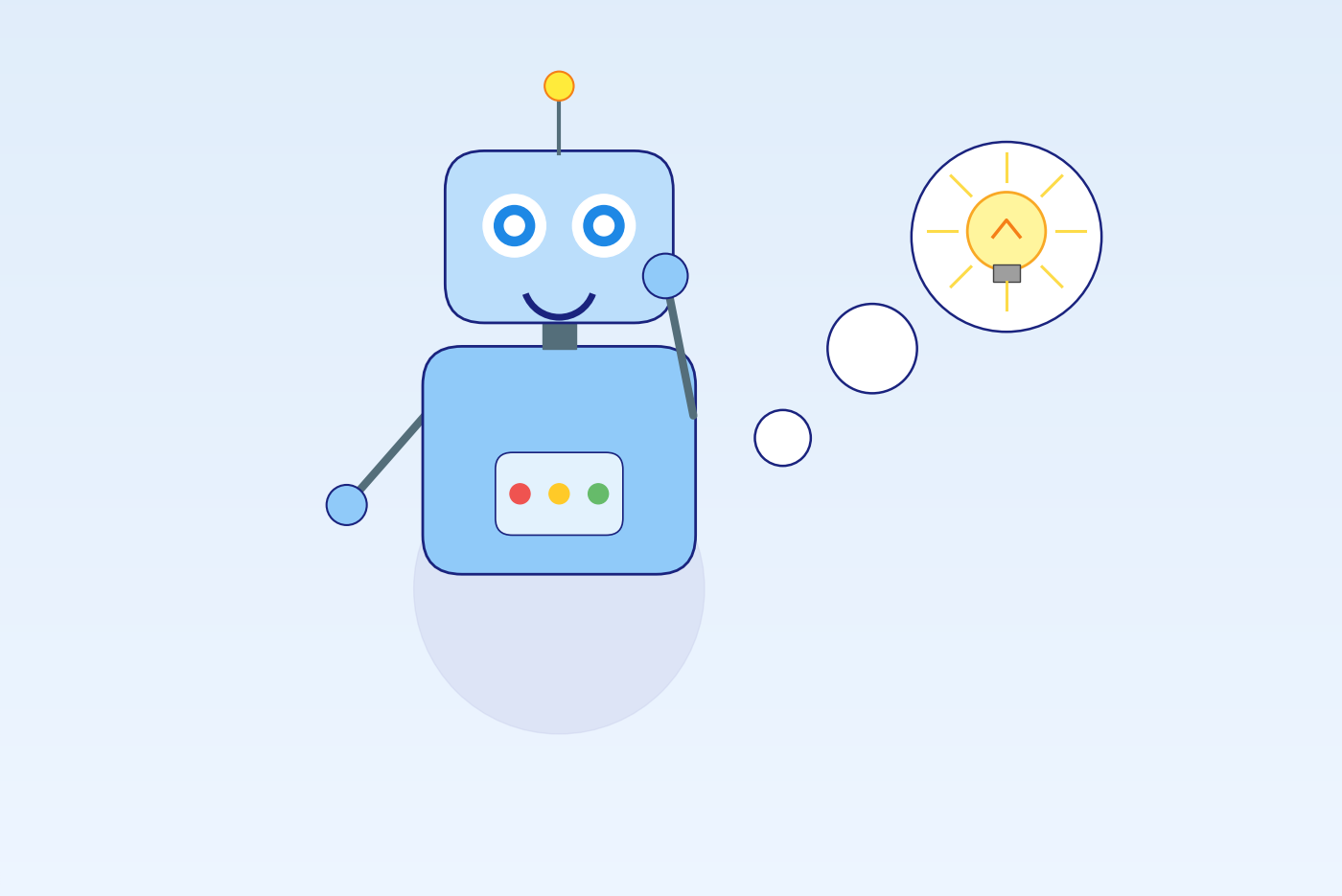
The first in a three-part series breaking down artificial intelligence for everyone
What Is Artificial Intelligence?
Artificial intelligence is no longer a distant concept confined to science fiction or research labs. It is the technology summarizing your inbox, recommending your next movie, translating languages in real time, detecting fraud in financial transactions, and helping doctors read medical images. Yet for all its presence, AI remains widely misunderstood.
This three-part series breaks down what AI actually is and walks through the core concepts that everyone — not just engineers — should understand.
The Basic Definition
At its simplest, artificial intelligence is the field of computer science focused on building systems that can perform tasks normally requiring human intelligence. These tasks include recognizing speech, understanding language, identifying objects in images, making decisions, and learning from experience.
The key distinction is this: traditional software follows explicit, step-by-step instructions written by a programmer. AI systems instead learn patterns from data and use those patterns to make predictions or decisions. Instead of being told exactly how to solve a problem, the system is shown many examples and infers the rules on its own.
A Useful Analogy
Think of it this way: a traditional program is a recipe — follow the steps and you get the result. An AI model is more like a student who has studied thousands of solved problems and can now attempt new ones on their own. It may not always get the answer right, but it generalizes from what it has seen.
This difference — learning from data rather than following hardcoded rules — is what makes AI both powerful and unpredictable. It is powerful because it can tackle problems that are too complex or messy to spell out in code. It is unpredictable because its behavior depends on the data it learned from, not on a fixed set of instructions a programmer can audit line by line.
Why This Matters Now
AI has been a research field since the 1950s, but three things changed in the last decade: vastly more data became available, computing power became cheap enough to train large models, and the algorithms improved significantly. The result is that AI has moved from academic curiosity to everyday utility — and that shift is why understanding these concepts matters for everyone, not just specialists.
In Part 2, we will look at the core technical ideas that power modern AI: machine learning, neural networks, and large language models.
Welcome to the Datalink Systems website. By accessing or using our site, you agree to comply with and be bound by the following terms and conditions. Please read them carefully as they contain important information regarding your rights and obligations. If you do not agree to these terms, you should not use this site.
Use of the Site
Datalink Systems provides its services through this website for informational purposes and personal use only. You may not modify, distribute, transmit, display, perform, reproduce, publish, license, create derivative works from, transfer, or sell any information or services obtained from this site. Any unauthorized use of the site or its content may violate copyright laws, trademark laws, privacy laws, and other regulations and statutes.
User Responsibilities
Users of our website must adhere strictly to all applicable local, state, national, and international laws and are solely responsible for their conduct when using our platform. You agree not to engage in any activity that could harm or interfere with the security of our website or impair the operation of our services. Furthermore, attempts to access non-public areas of Datalink Systems’ website without authorization are strictly prohibited.
Limitation of Liability
To the fullest extent permitted by law, Datalink Systems disclaims all warranties, express or implied, in connection with your use of the website. We shall not be liable for any damages arising from your use of or inability to use the site or any errors, mistakes, or inaccuracies contained therein. Users assume total responsibility for their use of this site and its features.
Changes to Terms
We reserve the right to modify these terms of service at any time without prior notice. By using this website after we post changes to these terms, you agree to accept those changes. It is your responsibility to periodically review these terms for updates. For further clarification on any of these Terms of Service or for questions related to Datalink Systems’ operations and services in Lakewood, please reach out through our contact page.
Privacy Policy
At Datalink Systems, we are committed to safeguarding the privacy and confidentiality of our clients and website visitors. This Privacy Policy outlines our practices regarding the collection, use, and disclosure of information that you provide to us or that we collect from you while accessing our services or navigating through our website.
Information We Collect
We collect various types of information in order to deliver efficient IT and VOIP services and enhance your user experience. This includes both personal identification information such as names, email addresses, and phone numbers provided directly by you, as well as non-personal data like browser types and IP addresses collected automatically. This information is used to understand your needs better, improve our service offerings, and communicate effectively with clients.
How We Use Your Information
The information gathered from you allows us to offer comprehensive IT support services tailored to your requirements. Primarily, it helps in processing transactions swiftly and accurately. We also use this data to send periodic emails and updates about your projects or potential opportunities that may interest you unless you opt-out. Rest assured, any data shared with us will not be sold or distributed without your explicit consent.
Data Security Commitment
Protecting your personal information is of utmost importance at Datalink Systems. We employ robust security measures and leading-edge technology solutions to ensure the safety of your data against unauthorized access, alteration, disclosure, or destruction. Our team regularly reviews our data collection methods and security protocols to align with industry best practices and legal requirements. By using our website, you consent to our Privacy Policy and agree to its terms. In case of any questions or concerns regarding this Privacy Policy, please feel free to reach out to us through our contact page.